Exploring Structural Repair Contractors: A Comprehensive Guide
Structural repair contractors play a crucial role in maintaining the integrity of buildings and structures. From assessing damage to executing repairs, these professionals are essential in ensuring safety and structural stability. This guide delves into the world of structural repair contractors, shedding light on their responsibilities, qualifications, repair techniques, and more.
What are Structural Repair Contractors?
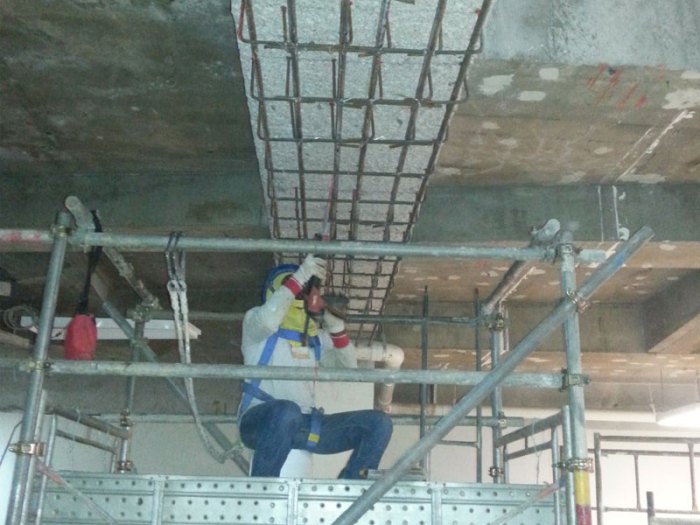
Structural repair contractors are professionals who specialize in repairing and reinforcing the structural integrity of buildings and other structures. Their main responsibilities include assessing the extent of damage, developing repair plans, and implementing solutions to ensure the safety and stability of the structure.
It is crucial to hire certified structural repair contractors to ensure that the repairs are done correctly and according to industry standards. Certified contractors have the necessary expertise, training, and experience to handle complex structural issues effectively.
Types of Structural Repairs
- Foundation Repairs: This includes fixing cracks, settling, or sinking foundations to stabilize the structure.
- Wall Repairs: Repairing damaged walls due to water infiltration, structural movement, or other issues.
- Roof Repairs: Addressing roof leaks, sagging roofs, or structural damage to ensure a safe and watertight roof.
- Beam and Column Repairs: Strengthening or replacing damaged beams and columns to support the weight of the structure.
- Concrete Repairs: Fixing cracks, spalling, or deterioration in concrete elements to maintain structural integrity.
Qualifications and Certifications
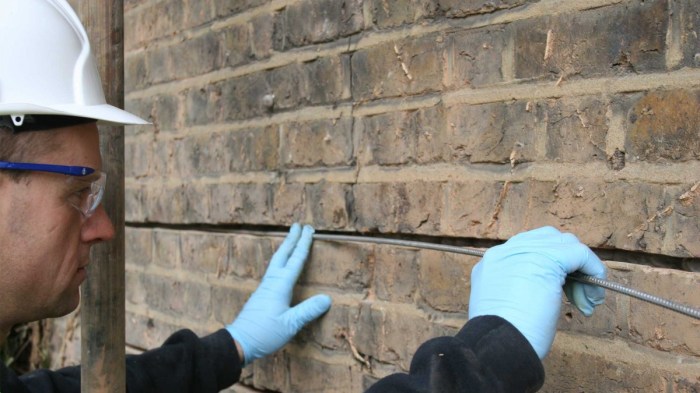
To become a structural repair contractor, individuals typically need a combination of education, training, and experience in construction and engineering. Most contractors start by obtaining a degree in civil engineering or a related field to build a strong foundation of knowledge in structural principles and building codes.
Additionally, hands-on experience working in the construction industry is crucial to understand the practical aspects of structural repair work.
Comparison of Certifications
Certifications play a vital role in showcasing a contractor's expertise and commitment to quality work. Here are some common certifications available for structural repair contractors:
- ACI Concrete Field Testing Technician - Grade I: This certification focuses on testing and inspecting concrete structures, essential for many structural repair projects.
- ICC Structural Masonry Special Inspector: This certification is ideal for contractors working on masonry repair projects, ensuring compliance with building codes.
- NACE Coating Inspector: For contractors involved in corrosion control and protective coating applications, this certification demonstrates proficiency in these specialized areas.
Obtaining relevant certifications not only enhances a contractor's credibility but also ensures that they have the necessary skills to deliver high-quality structural repair services.
Significance of Certifications
Certifications are essential in the construction industry as they validate a contractor's expertise and adherence to industry standards. By holding certifications, structural repair contractors demonstrate their commitment to professionalism and continuous learning. Clients are more likely to trust certified contractors to handle their structural repair projects, knowing that they have the knowledge and skills required to deliver safe and durable solutions.
Structural Damage Assessment
When it comes to structural repair projects, a crucial step in the process is assessing the extent and nature of the damage. This assessment is essential for developing an effective repair strategy and ensuring the safety and integrity of the structure.
Tools and Techniques for Assessment
- Visual Inspection: One of the primary methods used to assess structural damage is a thorough visual inspection of the affected areas. This can help identify visible signs of damage such as cracks, bulges, or uneven settling.
- Laser Levels and Measuring Devices: Precision tools like laser levels and measuring devices are used to accurately measure the dimensions and alignment of structural elements, helping to identify any deviations from the original design.
- Ultrasonic Testing: This non-destructive testing method uses high-frequency sound waves to detect flaws or inconsistencies within the structure, providing valuable insights into the extent of hidden damage.
- Structural Analysis Software: Advanced software programs are utilized to analyze structural data, assess load-bearing capacities, and simulate various repair scenarios to determine the most effective course of action.
Impact on Repair Strategies
Accurate damage assessment plays a critical role in determining the appropriate repair strategies for structural issues. By identifying the root causes of the damage and understanding its extent, contractors can develop targeted solutions that address the underlying issues and prevent future problems.
This ensures that repairs are not only effective but also long-lasting, safeguarding the structural integrity of the building.
Repair Techniques and Materials
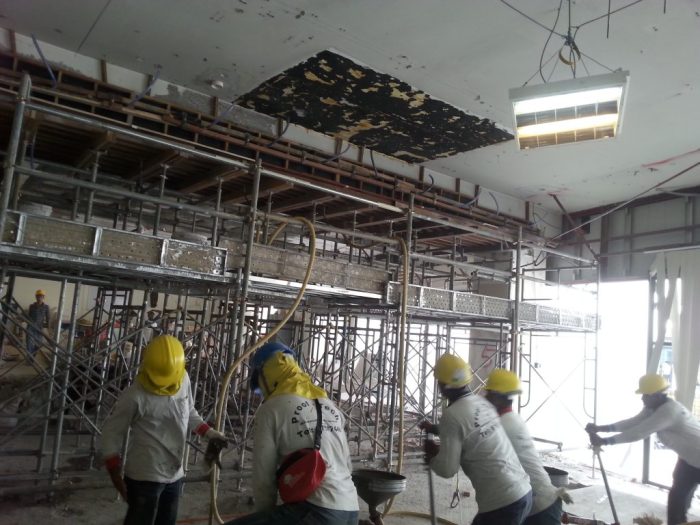
When it comes to structural repair, contractors utilize a variety of techniques and materials to ensure the stability and safety of buildings. It is essential to use high-quality materials and innovative repair methods to effectively address structural damage and prevent future issues.
Common Repair Techniques
- Crack Injection: This technique involves injecting epoxy or polyurethane resin into cracks to restore the structural integrity of concrete.
- Carbon Fiber Reinforcement: Carbon fiber strips are used to strengthen walls, beams, and columns by providing additional support and preventing further cracking.
- Underpinning: This method involves strengthening the foundation of a building by extending it to a more stable soil layer or adding additional support.
Importance of High-Quality Materials
Using high-quality materials in structural repairs is crucial for ensuring the longevity and effectiveness of the repair work. Inferior materials can lead to further damage and compromise the safety of the structure. High-quality materials offer durability, strength, and resistance to environmental factors, enhancing the overall stability of the building.
Innovative Repair Materials and Methods
- Self-Healing Concrete: This innovative material contains capsules of healing agents that rupture when cracks form, allowing the concrete to repair itself.
- Nanotechnology: Nanomaterials can be incorporated into concrete to enhance its strength and durability, offering a more sustainable and resilient solution for structural repairs.
- 3D Concrete Printing: This advanced technique allows for the precise printing of concrete structures, reducing material waste and construction time while ensuring high-quality repairs.
Safety Standards and Regulations
Structural repair contractors must adhere to stringent safety standards and regulations to ensure the well-being of workers and the public, as well as the successful completion of repair projects. These standards are in place to minimize hazards, prevent accidents, and maintain the structural integrity of buildings.
Safety Standards
- Contractors must comply with OSHA (Occupational Safety and Health Administration) regulations, which include proper training for workers, the use of personal protective equipment, and safe work practices.
- Structural repair sites must be secured and clearly marked to prevent unauthorized access and ensure the safety of workers and pedestrians.
Legal Regulations
- Structural repair projects are subject to building codes and regulations set by local authorities to ensure the safety and stability of structures.
- Permits may be required for certain repair activities, and contractors must obtain necessary approvals before commencing work.
Safety Measures
- Regular safety inspections and risk assessments are conducted to identify potential hazards and implement preventive measures.
- Fall protection systems, such as guardrails and safety harnesses, are used to prevent accidents from heights during repair work.
- Emergency response plans are established to address unforeseen incidents and ensure the prompt evacuation of workers in case of emergencies.
Project Management and Planning
Effective project management and planning are crucial components of successful structural repair projects. It involves detailed coordination, scheduling, and resource allocation to ensure that the repair work is completed efficiently and within budget.
Project Management Process
- Initial Assessment: The project begins with a comprehensive assessment of the structural damage to determine the scope of work required.
- Planning and Scheduling: A detailed plan is created, outlining the repair techniques, materials needed, and project timeline.
- Resource Allocation: Resources such as manpower, equipment, and materials are allocated based on the project requirements.
- Execution: The repair work is carried out according to the plan, with regular monitoring of progress and quality control.
- Completion and Evaluation: Once the repair work is completed, a final evaluation is done to ensure that all requirements have been met.
Importance of Effective Planning
Effective planning is essential in executing repair projects as it helps in setting clear objectives, identifying potential risks, and ensuring that resources are utilized efficiently. It also helps in minimizing delays and cost overruns, ultimately leading to a successful project completion.
Tips for Successful Project Coordination
- Clear Communication: Maintain open communication channels with all stakeholders involved in the project.
- Regular Meetings: Schedule regular meetings to discuss progress, address issues, and make necessary adjustments to the plan.
- Risk Management: Identify potential risks early on and develop contingency plans to mitigate them.
- Adaptability: Be flexible and ready to adapt to unforeseen challenges or changes in the project scope.
- Quality Control: Ensure that the repair work meets industry standards and specifications to guarantee long-term structural integrity.
Client Communication and Satisfaction
Effective communication with clients is crucial during structural repair projects as it ensures that the client's needs and expectations are clearly understood. This helps in building trust and maintaining a positive relationship throughout the project. Clear communication also minimizes misunderstandings and reduces the chances of errors or delays in the repair process.
Strategies for Ensuring Client Satisfaction
- Regular Updates: Providing regular updates to the client on the progress of the repair work helps in keeping them informed and involved in the process.
- Transparent Pricing: Transparent pricing and detailed explanations of costs help in building trust with the client and avoids any surprises later on.
- Quality Workmanship: Ensuring high-quality workmanship and attention to detail in the repair work is essential for client satisfaction.
- Timely Completion: Completing the repair work within the agreed-upon timeline demonstrates professionalism and reliability, leading to client satisfaction.
- Responsive Communication: Being responsive to client queries and concerns in a timely manner shows dedication to customer service and enhances satisfaction.
Impact of Client Feedback on Contractor Reputation
Client feedback plays a significant role in shaping the reputation of structural repair contractors. Positive feedback from satisfied clients can attract new customers and build credibility for the contractor. On the other hand, negative feedback can tarnish the reputation of the contractor and deter potential clients.
It is essential for contractors to actively seek feedback from clients and address any issues promptly to maintain a positive reputation in the industry.
Last Word
As we conclude our exploration of structural repair contractors, it becomes evident that their expertise is indispensable in the construction industry. By prioritizing safety, quality workmanship, and client satisfaction, these professionals uphold the standards of excellence in structural repair projects.
Detailed FAQs
What are the responsibilities of structural repair contractors?
Structural repair contractors are tasked with assessing structural damage, planning repair strategies, executing repairs using specialized techniques, and ensuring compliance with safety regulations.
Why is it important to hire certified structural repair contractors?
Certified contractors have undergone rigorous training and possess the necessary expertise to handle structural repairs effectively, ensuring quality workmanship and adherence to industry standards.
What are some common types of structural repairs handled by contractors?
Structural repair contractors commonly deal with issues such as foundation cracks, water damage, structural weakening, and sagging floors.
How do certifications impact the quality of work done by structural repair contractors?
Certifications validate the skills and knowledge of contractors, indicating their commitment to professionalism and excellence in executing structural repairs.