Crafting Your Dream Home: The Beauty of a Natural Wood Siding House
Step into a world where the warmth of natural wood siding embraces your home, creating a timeless charm that captivates onlookers. From the rich characteristics to the eco-friendly benefits, exploring the realm of natural wood siding houses promises a journey filled with elegance and sustainability.
Delve into the nuances of different wood types, design considerations, installation processes, and preservation techniques that elevate your home to a new level of sophistication and natural beauty.
Overview of Natural Wood Siding House
Natural wood siding is a popular choice for homeowners looking to add a rustic and organic look to their houses. It is made from various types of wood and offers a range of benefits that make it a preferred option for many.
Characteristics of Natural Wood Siding
- Natural wood siding is known for its timeless and classic appearance, adding warmth and charm to any home.
- It can be easily customized and comes in a variety of finishes, stains, and styles to suit different architectural designs.
- Wood siding is durable and can last for decades with proper maintenance, making it a long-term investment for homeowners.
Benefits of Using Natural Wood Siding
- Natural wood siding is environmentally friendly as it is a renewable resource that can be recycled or repurposed.
- It provides natural insulation, helping to regulate indoor temperatures and reduce energy costs.
- Wood siding is versatile and can be easily repaired or replaced if damaged, unlike other siding materials.
Popular Wood Types Used for Siding
- Cedar: Known for its natural resistance to decay and insects, cedar is a popular choice for wood siding.
- Pine: Affordable and readily available, pine wood siding offers a classic look with a lower price point.
- Redwood: With its rich color and durability, redwood siding is a high-end option for homeowners seeking luxury.
Environmental Impact of Choosing Natural Wood Siding
- When sourced sustainably, natural wood siding can have a minimal impact on the environment compared to other siding materials.
- Wood siding is biodegradable and can be recycled, reducing waste in landfills and promoting a more eco-friendly construction practice.
- By choosing wood siding from responsibly managed forests, homeowners can contribute to forest conservation and promote sustainable forestry practices.
Design Considerations
When considering natural wood siding for your house, it's important to take into account the different styles and finishes available, as well as how to choose the right wood siding for your specific architectural style. Additionally, understanding the maintenance requirements and cost comparison with other siding materials can help you make an informed decision.
Different Styles and Finishes
- Clapboard: This style features long, narrow boards that overlap each other horizontally, creating a classic look.
- Shingle: Shingles are small, individual pieces of wood that can give a more rustic or cottage-like appearance.
- Board and Batten: This style involves wide boards with narrow strips (battens) covering the seams, providing a more rustic look.
Choosing the Right Wood Siding for Your Architectural Style
- For a traditional or colonial-style home, clapboard siding is a popular choice.
- Shingle siding can complement a Cape Cod or cottage-style home beautifully.
- Modern homes may benefit from the clean lines of board and batten siding.
Maintenance Requirements
While natural wood siding offers a beautiful and timeless look, it does require regular maintenance to ensure its longevity. This includes periodic cleaning, staining, or painting to protect the wood from the elements and prevent rot or decay.
Cost Comparison
When comparing the cost of natural wood siding with other materials like vinyl or fiber cement, wood siding tends to be more expensive upfront. However, it can add value to your home and may require less maintenance over time, potentially saving you money in the long run.
Installation Process
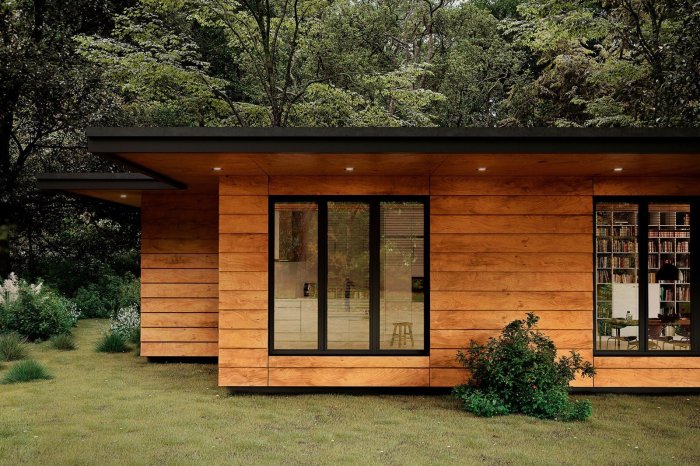
Installing natural wood siding on a house requires attention to detail and proper tools to ensure a successful outcome. Here is an overview of the steps involved in the installation process and some tips to help you achieve a durable and long-lasting wood siding installation.
Tools and Materials Needed
- Wood siding panels or planks
- Hammer or nail gun
- Nails or screws
- Tape measure
- Level
- Saw for cutting the wood
- House wrap or moisture barrier
- Corner pieces and trim
- Paint or stain for finishing
Common Challenges and Solutions
- Uneven walls: Ensure the walls are properly aligned and use furring strips to create a level surface for installation.
- Moisture damage: Install a moisture barrier and properly seal joints to prevent water infiltration.
- Wood warping: Use stainless steel nails or screws to secure the wood properly and allow for natural expansion and contraction.
Tips for a Durable Installation
- Prep the surface: Ensure the walls are clean, dry, and free of any debris before installing the wood siding.
- Follow manufacturer instructions: Different wood siding products may have specific installation requirements, so it's essential to follow guidelines provided by the manufacturer.
- Allow for ventilation: Leave a small gap between the siding and the wall to allow for air circulation and prevent moisture buildup.
- Maintain and inspect regularly: Keep an eye on the condition of your wood siding and perform any necessary maintenance to ensure its longevity.
Preservation and Care
Proper maintenance is key to preserving the beauty and longevity of natural wood siding. By following a routine care plan, you can protect your home from moisture, insects, and UV damage while keeping the wood looking its best.
Routine Maintenance
- Regularly inspect the siding for any signs of damage, such as cracks, rot, or insect infestations.
- Clean the siding annually using a mild detergent and water to remove dirt and grime.
- Apply a fresh coat of sealant or stain every 3-5 years to protect the wood from moisture and UV rays.
Protection Techniques
- Ensure proper ventilation around the siding to prevent moisture build-up.
- Trim back any foliage or shrubs near the siding to reduce the risk of insect infestations.
- Consider installing insect screens on vents and openings to prevent pests from entering.
Repair and Refinishing
- Address any damage promptly by replacing or repairing damaged sections of the siding.
- Sand down any rough spots and apply a new coat of finish to refinish the wood siding.
- Keep an eye out for peeling paint or stain, as this can expose the wood to potential damage.
Eco-Friendly Maintenance
- Opt for environmentally friendly sealants and stains that are low in volatile organic compounds (VOCs).
- Use natural cleaning solutions like vinegar and water instead of harsh chemicals to clean the siding.
- Consider planting shrubs or trees around the house to provide natural shade and reduce UV exposure to the siding.
Last Word
As we conclude our exploration of natural wood siding houses, we reflect on the allure of blending nature with architecture. With a seamless fusion of style and sustainability, your home becomes a sanctuary of beauty and eco-conscious living. Embrace the enduring appeal of natural wood siding houses and watch as your living space transforms into a haven of natural elegance.
Question Bank
How often should I maintain natural wood siding?
Maintaining natural wood siding typically requires annual cleaning and inspection for any signs of damage or wear.
Can natural wood siding be painted or stained?
Yes, natural wood siding can be painted or stained to achieve different aesthetics or protect it from the elements.
What are the common challenges during wood siding installation?
Common challenges include warping of wood, ensuring proper sealing against moisture, and aligning the siding correctly.
How can I protect wood siding from UV damage?
Applying a UV-protective sealant or stain can help protect natural wood siding from the damaging effects of UV rays.
Are there eco-friendly products for maintaining natural wood siding?
Yes, there are eco-friendly sealants, finishes, and cleaning products specifically designed for preserving and caring for natural wood siding.