Exploring Global Siding and Roofing for Construction Projects
Diving into the realm of global siding and roofing unveils a world of essential materials and practices crucial for construction projects worldwide. From the significance of high-quality materials to sustainable building techniques, this overview sets the stage for a comprehensive exploration.
As we delve deeper, we will uncover the various types of siding materials, roofing options, and sustainable practices that shape the landscape of global construction.
What is Global Siding and Roofing?
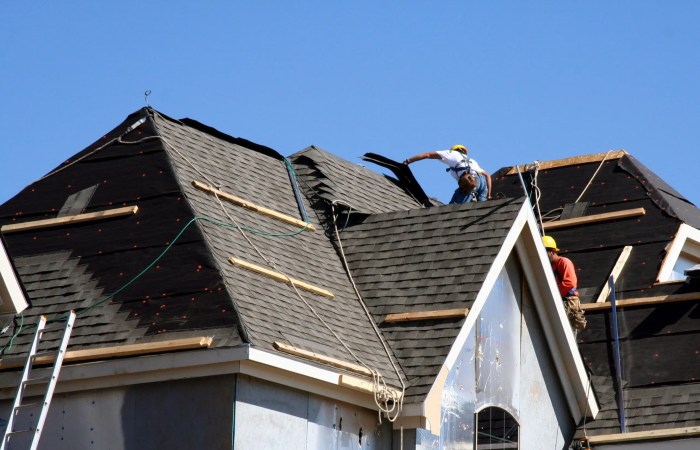
Global siding and roofing refer to the materials and techniques used in construction projects worldwide to protect buildings from external elements and provide structural integrity.
High-quality siding and roofing materials are essential for global construction projects due to their impact on the overall durability, energy efficiency, and aesthetic appeal of buildings. These materials not only enhance the appearance of structures but also play a crucial role in ensuring the longevity and sustainability of the built environment.
Importance of High-Quality Materials
Using high-quality siding and roofing materials is vital in global construction as they offer superior protection against harsh weather conditions, such as heavy rain, snow, and strong winds. These materials help prevent water infiltration, mold growth, and structural damage, thereby increasing the lifespan of buildings.
- Quality materials enhance energy efficiency by providing better insulation, reducing heating and cooling costs, and minimizing environmental impact.
- Durable siding and roofing materials require less maintenance, resulting in cost savings over time and reducing the need for frequent replacements.
- Global construction projects benefit from sustainable building practices that prioritize the use of eco-friendly materials, such as recycled steel, wood, or composite materials, promoting environmental responsibility and reducing carbon footprint.
Types of Global Siding Materials
When it comes to siding materials used around the world, there is a wide range of options available, each with its own advantages and disadvantages. Let's explore some of the most common types of global siding materials:
Vinyl Siding
- Vinyl siding is one of the most popular choices globally due to its affordability and low maintenance requirements.
- It is durable, resistant to rot, and comes in a variety of colors and styles to suit different aesthetic preferences.
- However, extreme temperatures can cause vinyl siding to warp or crack over time.
Fiber Cement Siding
- Fiber cement siding is known for its durability and resistance to fire, insects, and rot.
- It can mimic the look of wood or stucco without the high maintenance requirements.
- Although more expensive than vinyl, fiber cement siding is considered cost-effective in the long run due to its longevity.
Wood Siding
- Wood siding offers a natural and timeless look that many homeowners appreciate.
- It can be painted or stained in various colors to match the exterior design of a house.
- However, wood siding requires regular maintenance, such as painting, staining, and sealing, to prevent rot and decay.
Metal Siding
- Metal siding, such as aluminum or steel, is known for its durability and resistance to pests and fire.
- It is lightweight, easy to install, and requires minimal maintenance.
- While metal siding can be more expensive upfront, it is cost-effective in terms of longevity and energy efficiency.
Composite Siding
- Composite siding is a blend of materials, such as wood fibers and recycled plastics, offering the benefits of both.
- It is durable, low maintenance, and available in various styles to mimic the look of natural materials.
- Composite siding is environmentally friendly and can be a sustainable choice for homeowners.
Roofing Options for Global Construction
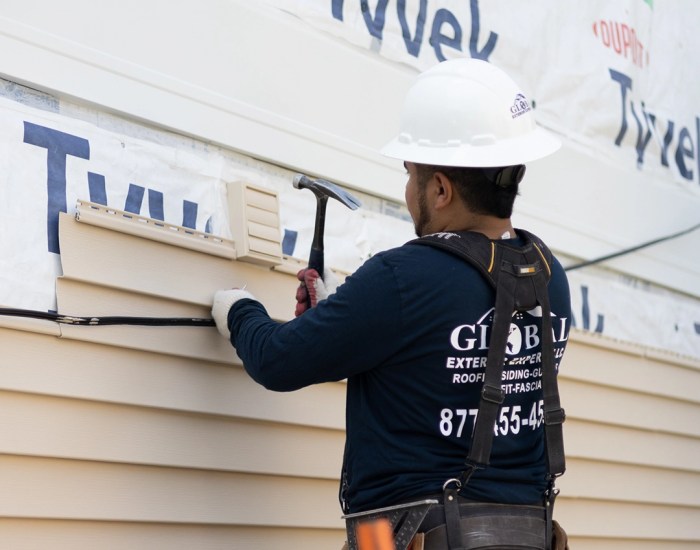
When it comes to global construction projects, choosing the right roofing materials is crucial for durability, energy efficiency, and aesthetics. Various factors influence the selection of roofing options, including climate, architectural style, budget, and local building regulations. Proper insulation and ventilation are also key components in ensuring the longevity and performance of roofing systems worldwide.
Metal Roofing
Metal roofing is a popular choice for global construction due to its durability, longevity, and resistance to fire, wind, and pests. It is available in a wide range of colors and styles, making it suitable for various architectural designs. Metal roofs are also recyclable, making them an eco-friendly option for sustainable construction projects.
Clay Tile Roofing
Clay tile roofing is commonly used in regions with hot climates, such as Mediterranean and Latin American countries. These tiles provide excellent insulation, keeping homes cool in the summer and warm in the winter. Clay tile roofs are known for their longevity and aesthetic appeal, adding a timeless charm to any building.
Asphalt Shingles
Asphalt shingles are one of the most affordable roofing options and are widely used in North America. They come in a variety of colors and styles, offering versatility and ease of installation. However, they may not be as durable as metal or clay tile roofing options and may require more frequent maintenance.
Sustainable Practices in Global Siding and Roofing
When it comes to global siding and roofing, sustainable practices play a crucial role in reducing the environmental impact of construction projects. By focusing on eco-friendly manufacturing processes and materials, we can create a more sustainable future for our buildings and the planet.
Eco-friendly Manufacturing Processes
Manufacturers of siding and roofing materials are increasingly adopting sustainable practices to reduce their carbon footprint. This includes using recycled materials, minimizing waste during production, and implementing energy-efficient technologies in their facilities.
Impact on the Environment
- Reduced Carbon Emissions: Eco-friendly siding and roofing materials help lower carbon emissions during manufacturing and installation, contributing to a healthier environment.
- Energy Efficiency: Green building solutions improve energy efficiency in buildings, reducing the overall environmental impact of heating and cooling systems.
- Water Conservation: Sustainable practices in manufacturing can also help conserve water resources, benefiting local ecosystems and communities.
Green Building Certifications
There are several green building certifications that relate to global siding and roofing, such as LEED (Leadership in Energy and Environmental Design) and Green Globes. These certifications recognize buildings that meet specific sustainability criteria, including the use of eco-friendly siding and roofing materials.
Epilogue
In conclusion, global siding and roofing play a pivotal role in the construction industry, emphasizing durability, innovation, and sustainability. By understanding the nuances of these materials and practices, we pave the way for a more resilient and eco-conscious future in construction projects worldwide.
Common Queries
What are some examples of innovative global siding materials?
Examples include fiber cement siding, engineered wood siding, and metal cladding, each offering unique benefits in terms of durability and aesthetics.
How do roofing materials vary based on different regions?
Roofing materials vary based on climate, availability of resources, and architectural styles in different regions, influencing factors like material durability and energy efficiency.
What certifications are relevant to green building in global siding and roofing?
Certifications like LEED (Leadership in Energy and Environmental Design) and BREEAM (Building Research Establishment Environmental Assessment Method) are common certifications that emphasize sustainable building practices in siding and roofing.